
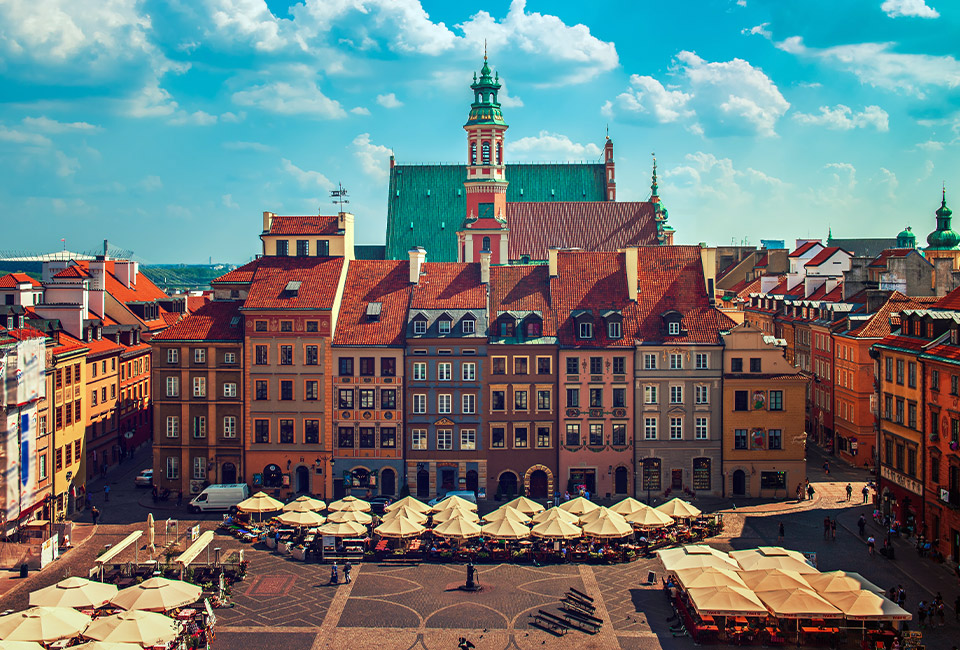
Old Town and Old Town Market Square
Warsaw’s Old Town is the historic heart of the city, recognized as a UNESCO World Heritage Site. Meticulously rebuilt after near total destruction in World War II using 17th and 18th-century paintings and photographs, it retains its authentic charm with colorful townhouses and quaint cobblestone streets. The lively Market Square hosts the city’s iconic Mermaid statue, outdoor cafés, and street performers, creating a vibrant cultural atmosphere. Close by stands the Royal Castle, the former residence of Polish monarchs. The Old Town is both a glimpse into Warsaw’s rich past and a bustling hub of contemporary life filled with shops, restaurants, and history.
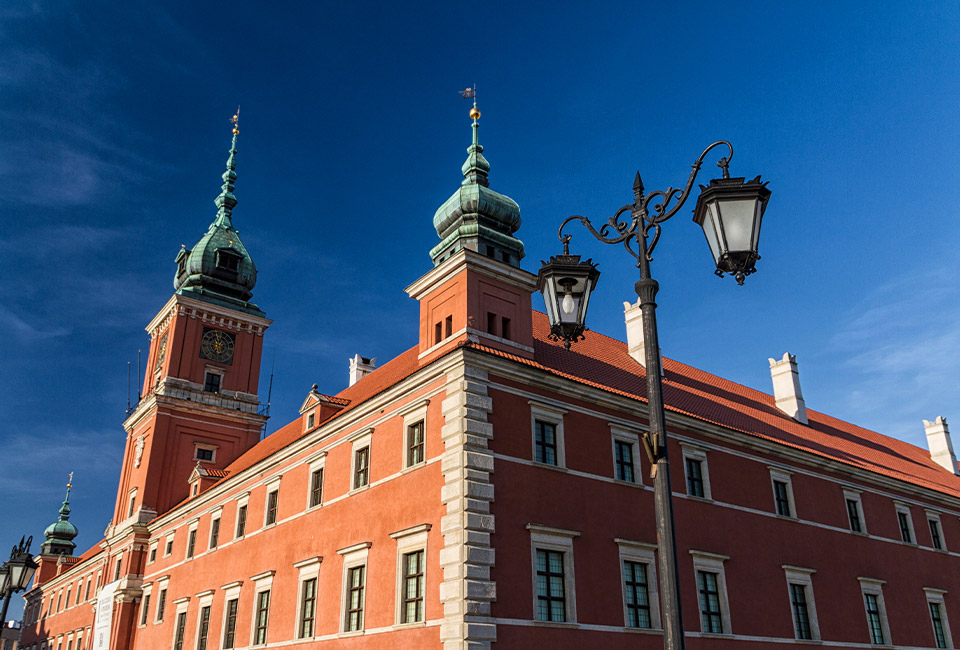
Royal Castle
The Royal Castle is one of Poland’s most important historical landmarks. Once home to Polish kings and the seat of parliament, it showcases exquisite interiors, royal apartments, and priceless artworks. The castle was destroyed during World War II but was painstakingly reconstructed and opened as a museum. Today it hosts cultural events and exhibitions and remains a symbol of Poland’s resilience and national pride.
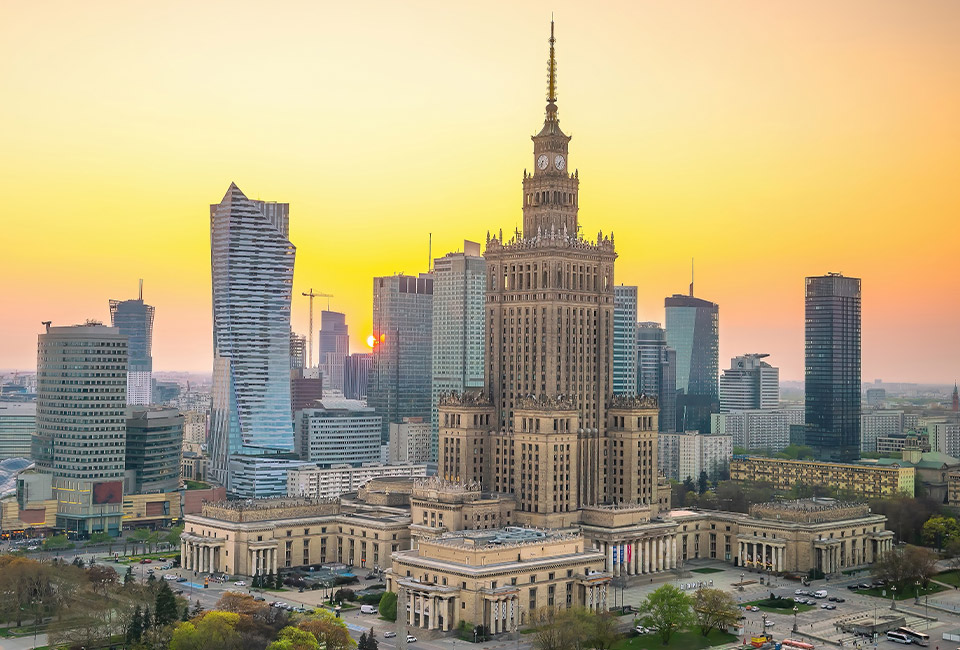
Palace of Culture and Science
This monumental skyscraper dominates Warsaw’s skyline and is a striking example of Communist-era architecture. Gifted by the Soviet Union in the 1950s, it houses theaters, museums, offices, and conference centers. The 30th-floor observation terrace offers breathtaking panoramic views of the city, making it a top tourist attraction. The palace remains a cultural and social focal point hosting concerts, exhibitions, and various events.
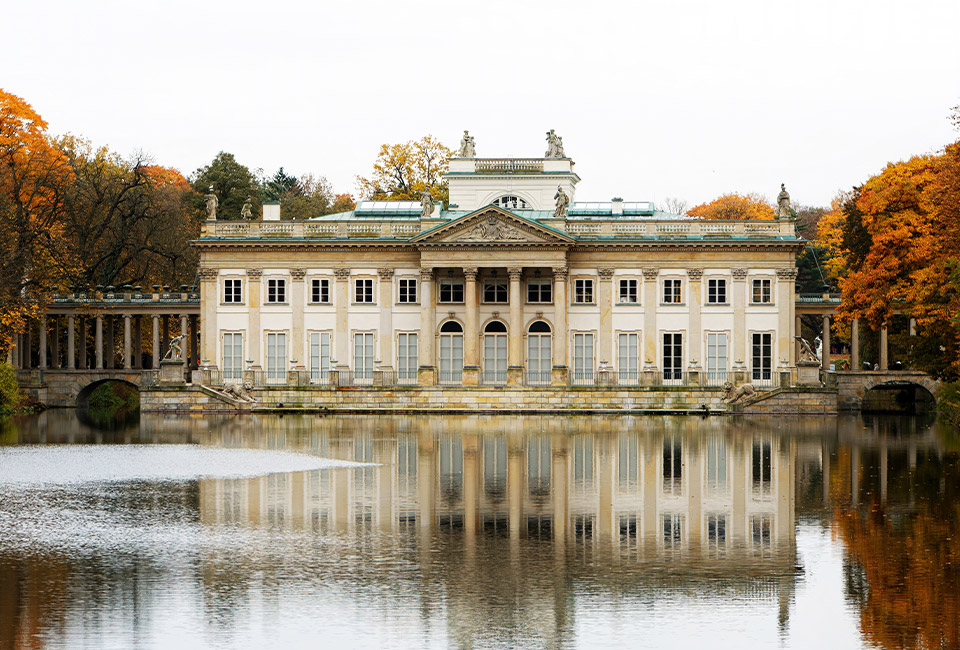
Łazienki Park (Royal Baths Park)
A sprawling green oasis in central Warsaw, Łazienki Park was originally designed as a summer residence for King Stanisław August Poniatowski. Visitors enjoy beautifully landscaped gardens, classical statues, historic palaces, and open-air Chopin concerts. It is a tranquil retreat offering a harmonious blend of nature, culture, and history.
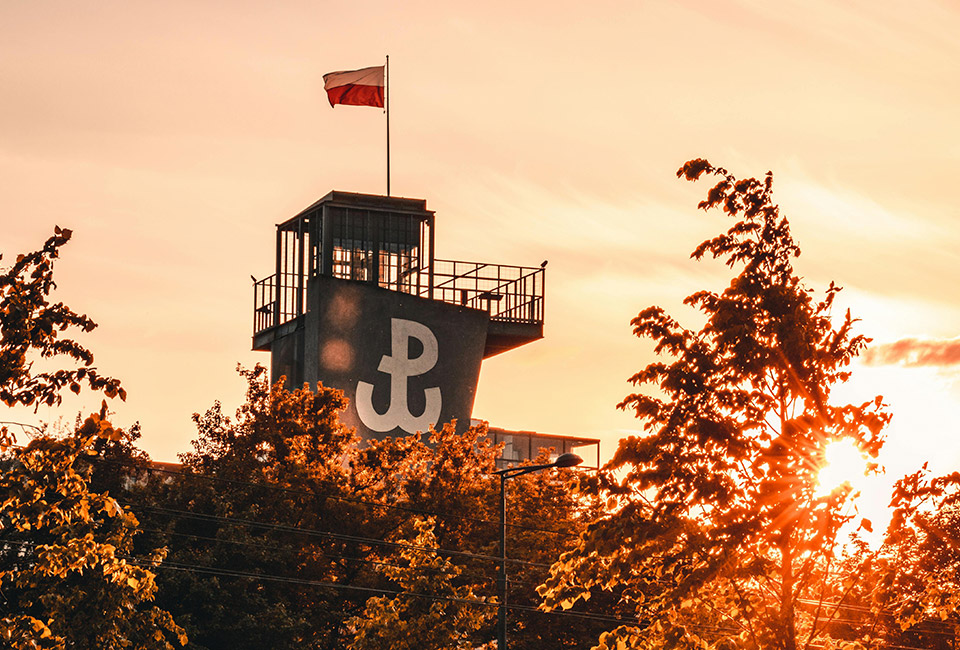
Warsaw Uprising Museum
Dedicated to commemorating the 1944 Warsaw Uprising, this museum provides immersive exhibitions that tell the story of this heroic struggle against Nazi occupation. Located in a former tram power station, it features personal accounts, multimedia displays, and authentic artifacts. It serves as a poignant tribute to the bravery and sacrifice of the city’s inhabitants.
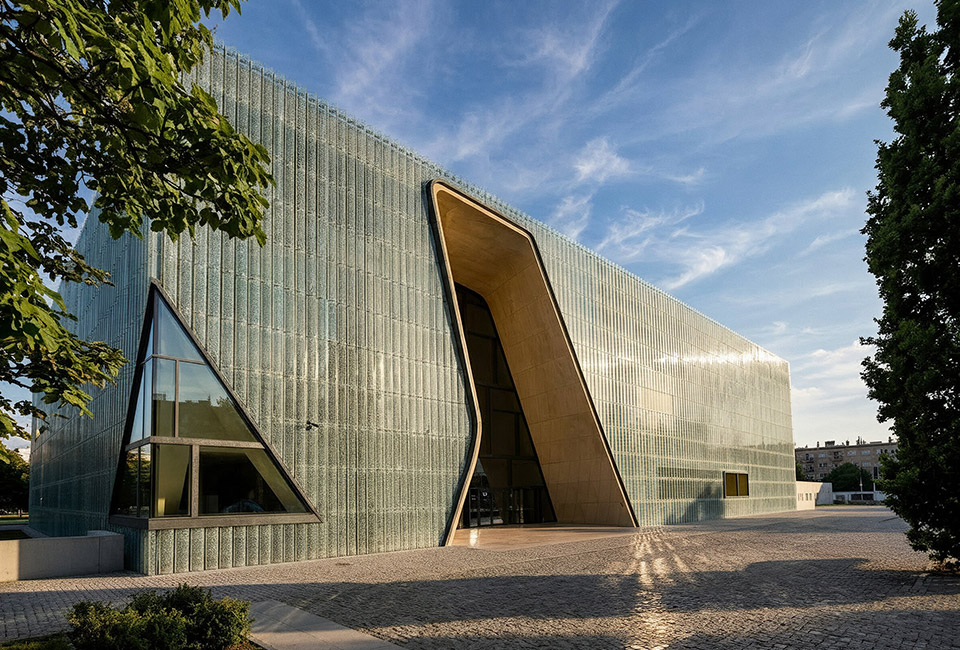
POLIN Museum of the History of Polish Jews
Situated on the site of the former Jewish Ghetto, POLIN Museum explores the thousand-year history and culture of Jews in Poland. Its modern exhibitions delve into vibrant Jewish traditions, tragedies, and contributions, using multimedia and interactive installations. The museum is a landmark of cultural dialogue and remembrance.
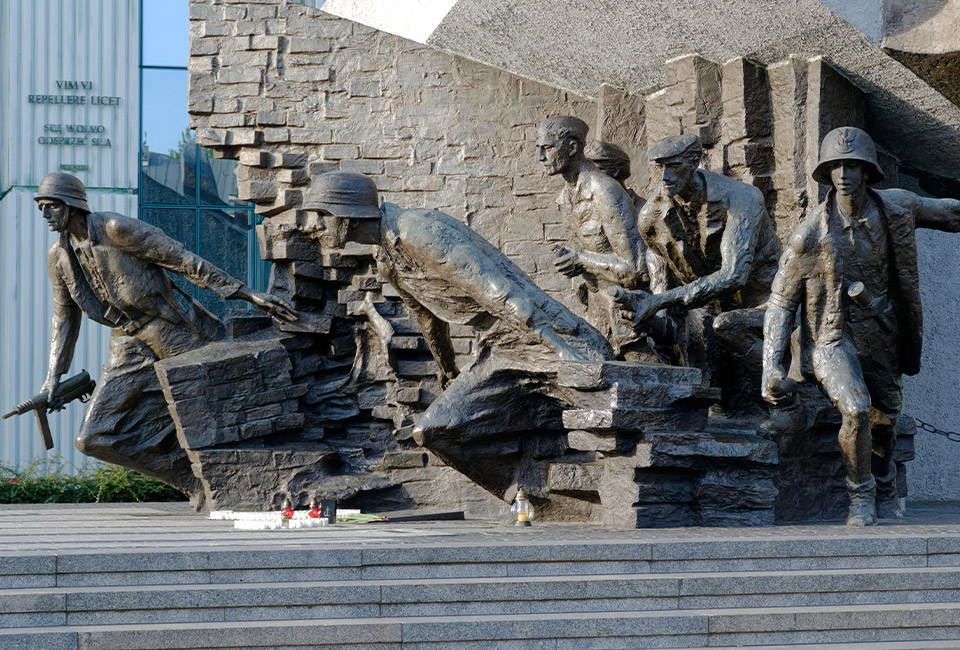
Warsaw Uprising Monument
The Warsaw Uprising Monument is a dynamic, open-air sculpture honoring the insurgents of 1944. Located at Krasiński Square, it portrays the dramatic realities of urban warfare with striking realism. It represents the resilience and courage of the people while serving as a key site of remembrance in the city.
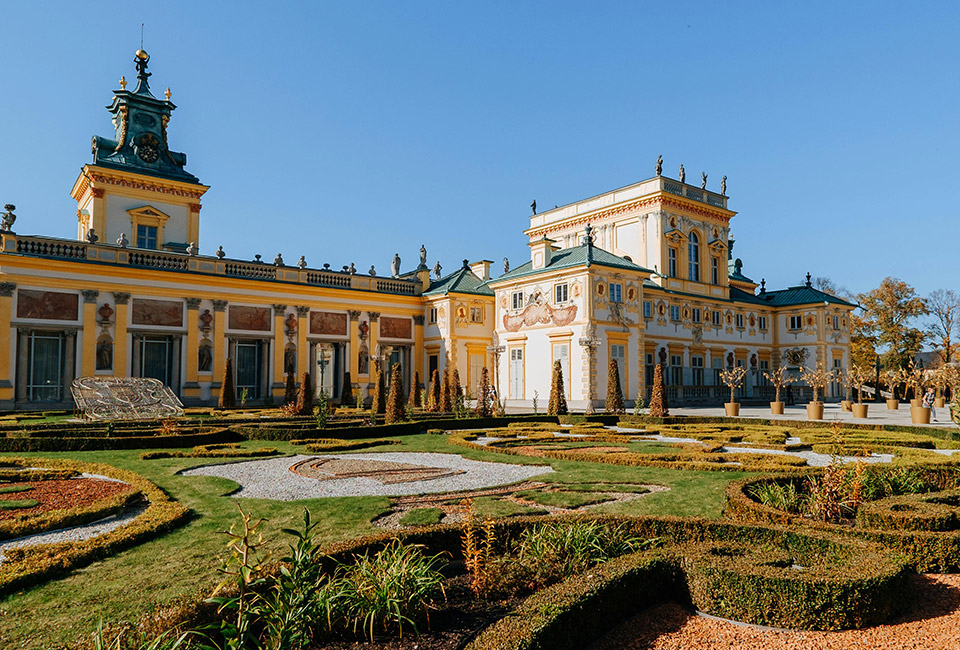
Wilanów Palace
Known as the ‘Polish Versailles’, Wilanów Palace is a splendid baroque royal residence outside the city center. The palace boasts stunning interiors, exquisite art collections, and beautifully maintained French and English gardens. It offers visitors a serene historical escape and a window into Poland’s aristocratic past.
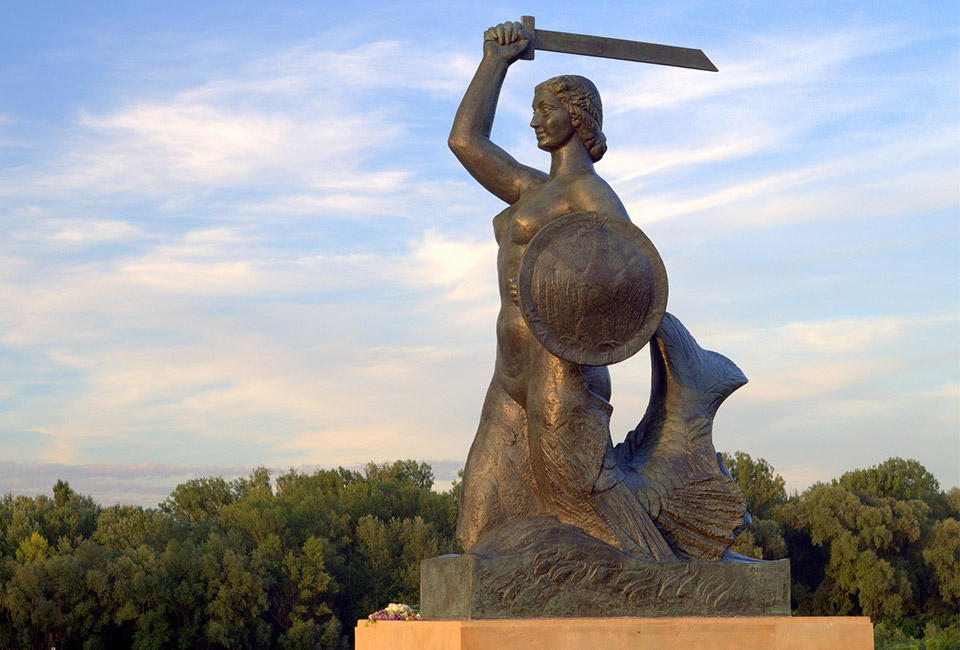
Warsaw Mermaid
The Mermaid of Warsaw (Syrenka Warszawska) is the city’s legendary guardian and symbol. Statues of the mermaid, brandishing sword and shield, are scattered throughout Warsaw. This emblem is deeply embedded in the city’s identity, representing its mythical history and resolve.
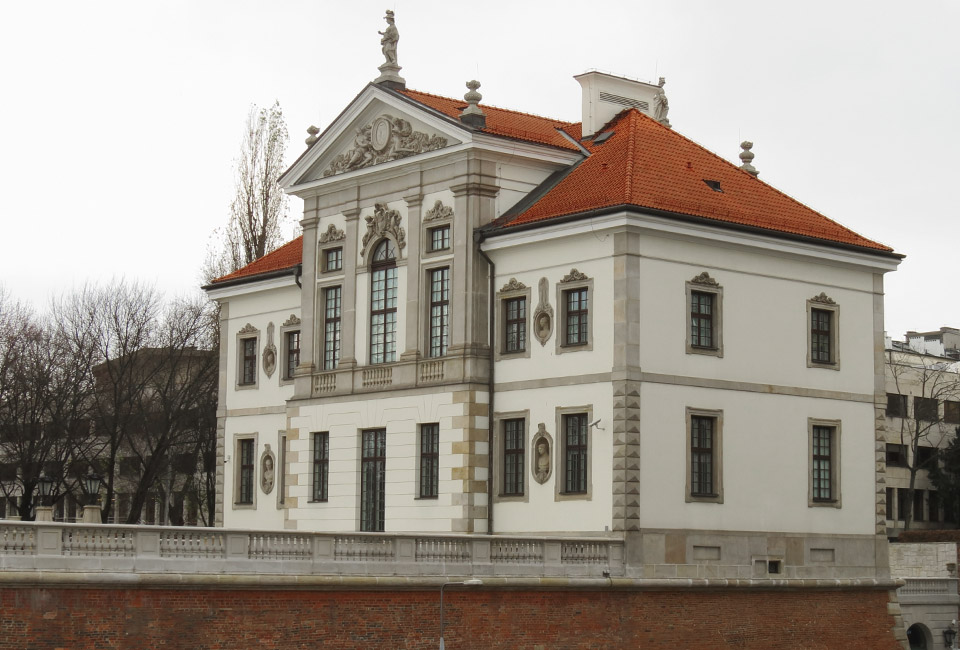
Fryderyk Chopin Museum
This museum is dedicated to the life and work of Poland’s greatest composer, Fryderyk Chopin. Located in a historic setting, it features original manuscripts, personal belongings, and multimedia presentations. The museum regularly hosts piano concerts, offering an evocative cultural experience.
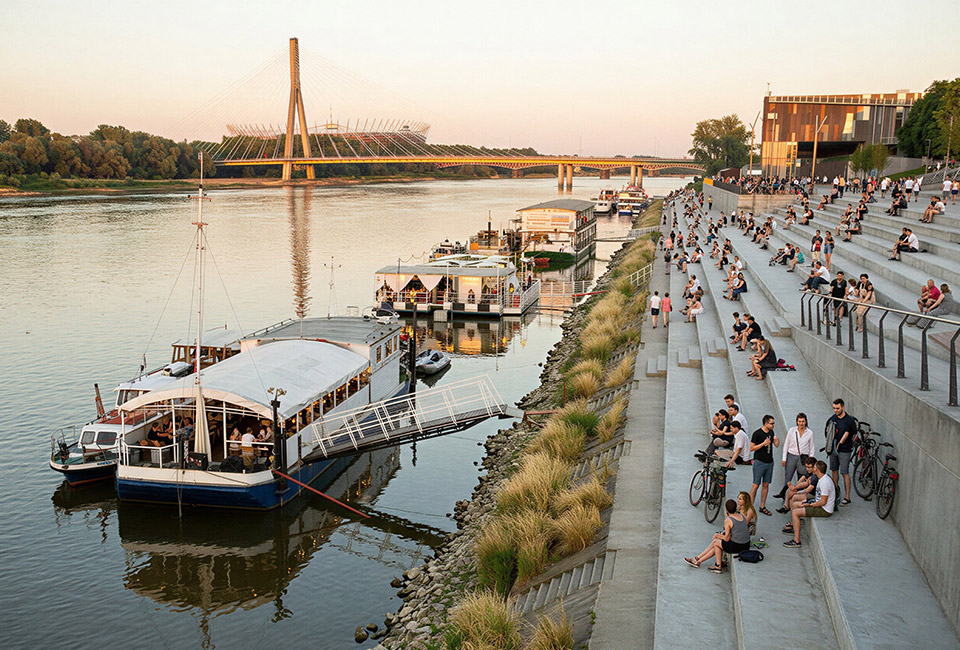
Vistula Boulevards
Stretching along the banks of the Vistula River, the Vistula Boulevards are a lively recreational area popular with locals and visitors alike. Featuring cafés, bars, urban beaches, and walking and cycling paths, the boulevards offer a relaxing and social atmosphere. Seasonal events and open-air concerts enhance the vibrant vibe of this riverside gem.
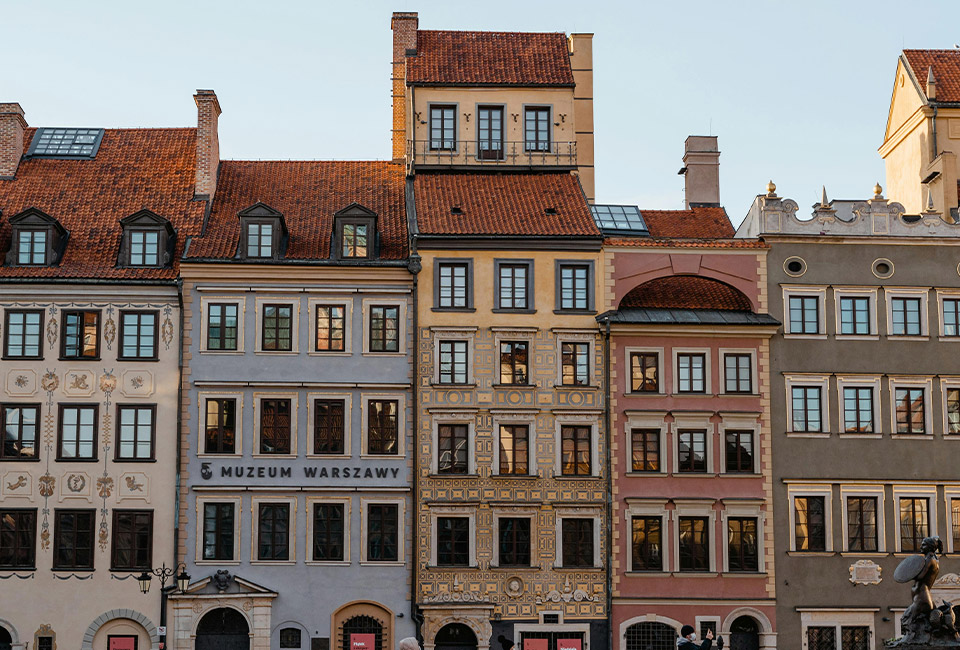
Museum of Warsaw
The Museum of Warsaw traces the city’s history from medieval times to the present day. Its exhibitions showcase artifacts, historic photographs, and artworks that tell the story of Warsaw’s development and culture. The museum also hosts workshops and educational events, making it an important cultural institution.
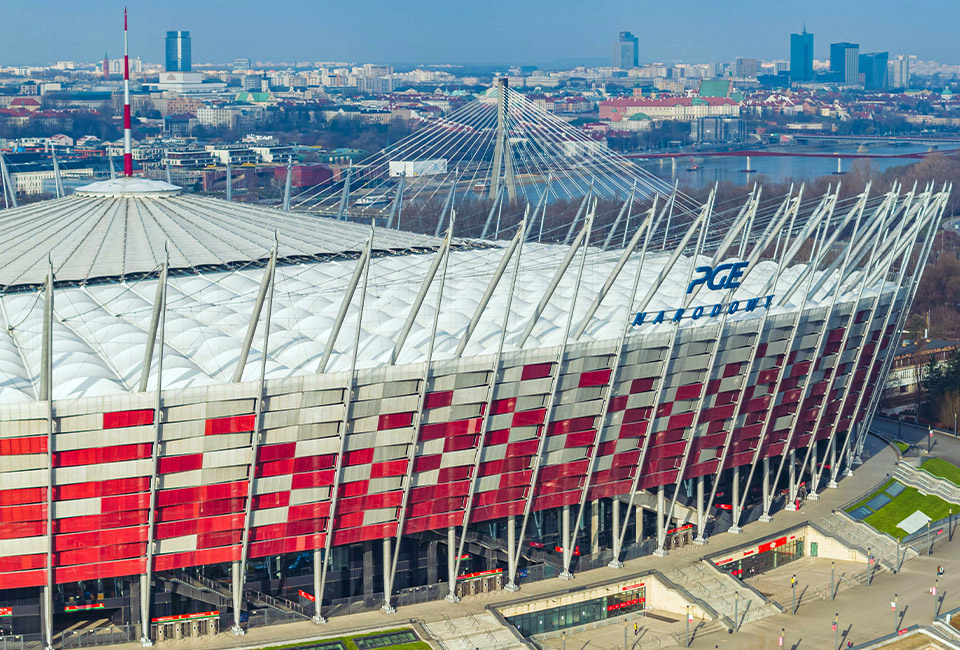
National Stadium (PGE Narodowy)
An ultra-modern sports and entertainment venue located in the Praga district by the Vistula River. Opened in 2012 for the UEFA European Football Championship, it seats over 58,000 spectators. The stadium hosts football matches, concerts, and large-scale events, embodying Warsaw’s contemporary spirit and global connectivity.
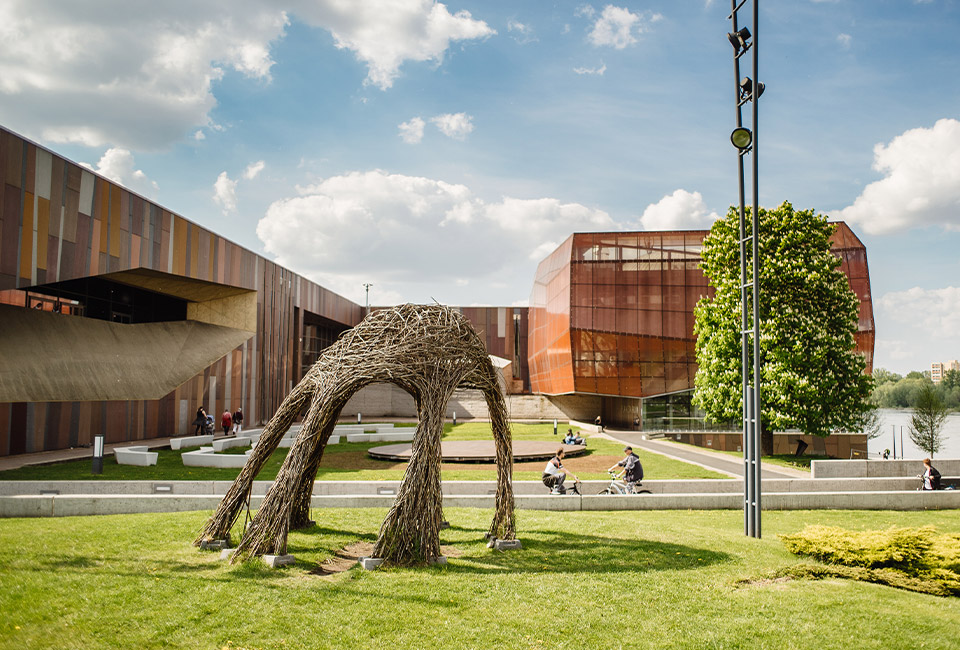
Copernicus Science Centre
The Copernicus Science Centre is an interactive science museum that invites visitors to engage with science through hands-on exhibits, demonstrations, and workshops. Open since 2010, it is one of the most visited educational attractions in Poland, appealing to all ages and fostering curiosity and innovation.
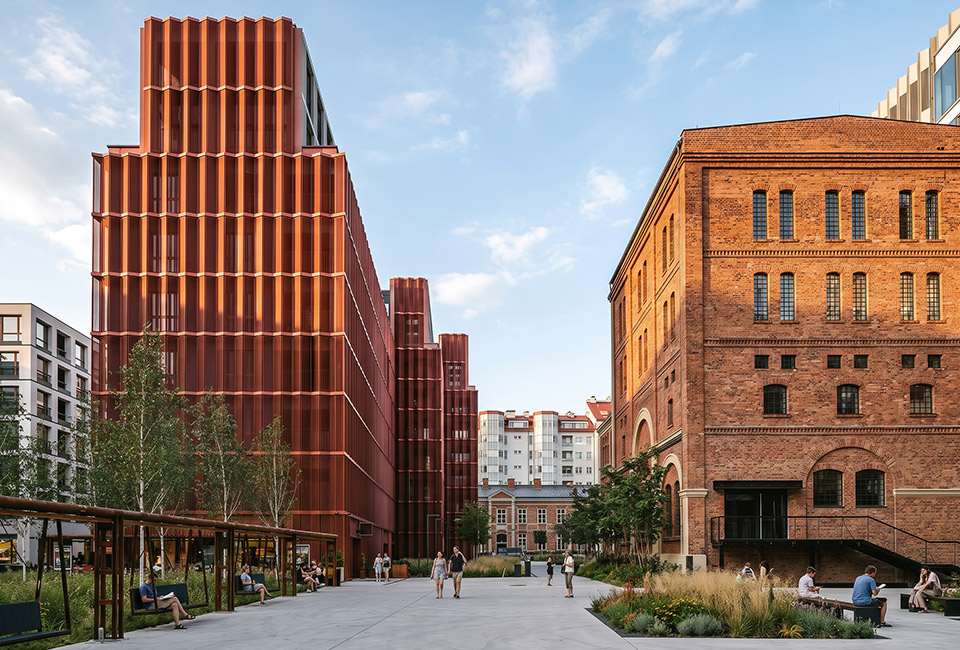
Browary Warszawskie
A revitalized industrial complex turned into a trendy hub combining offices, restaurants, art galleries, and entertainment venues. This modern area is a favorite among locals for dining and cultural events, showcasing Warsaw’s trendsetting urban development and vibrant lifestyle.
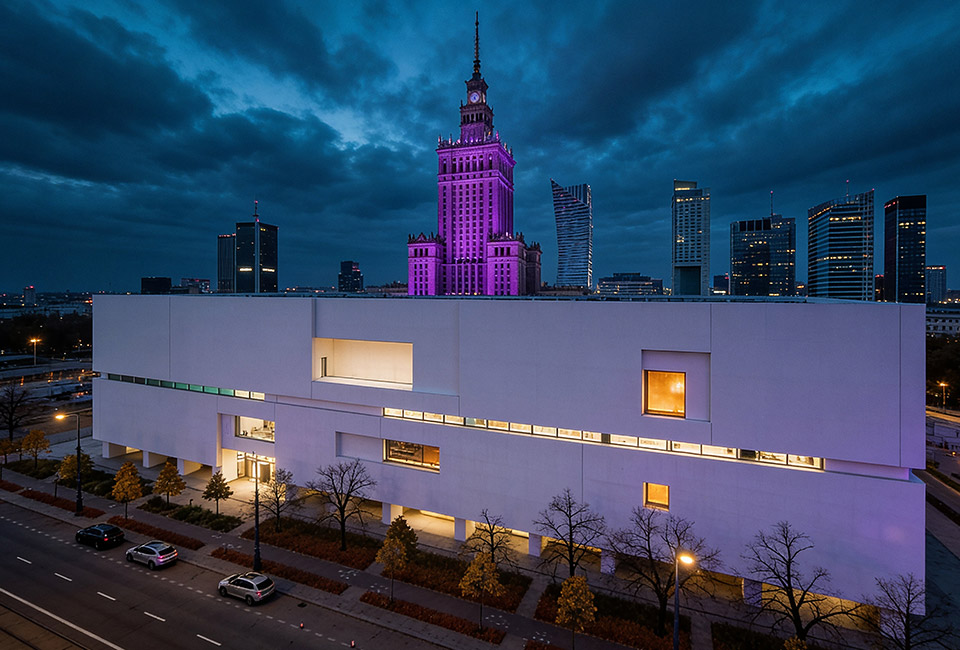
Museum of Modern Art in Warsaw (MSN)
The Museum of Modern Art represents the forefront of contemporary culture in Warsaw. Its new building offers world-class exhibitions, performances, and educational programs that explore modern artistic trends and social issues. MSN is a cultural beacon inspiring dialogue and creativity.
